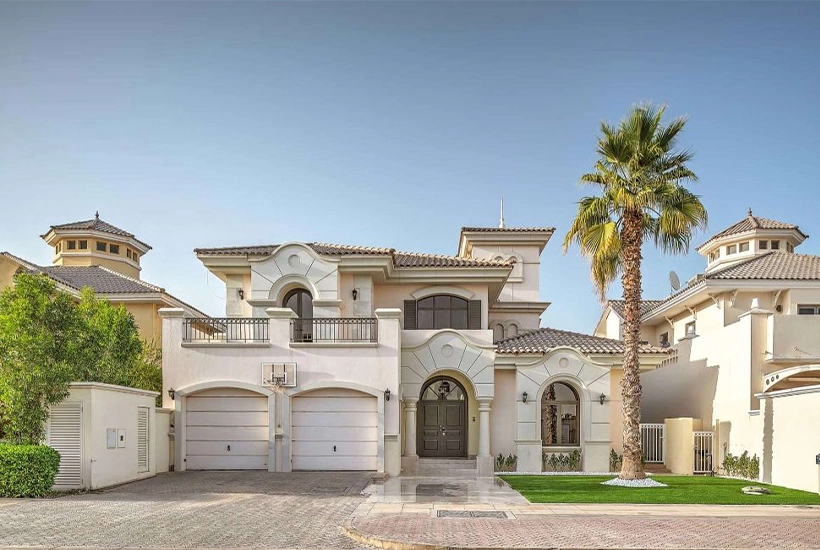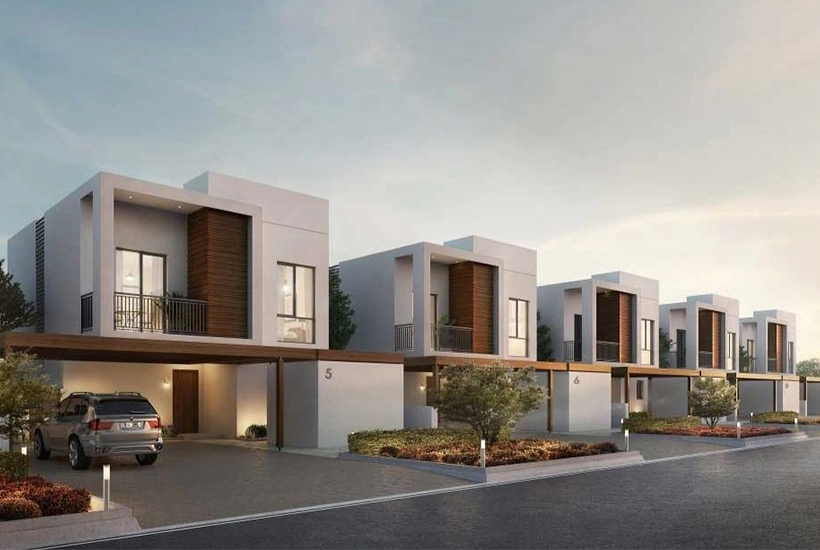
Dubai's real estate market is entering a more balanced and mature phase in 2026, supported by strong fundamentals, investor confidence, and continued population growth. While apartments remain an important part of the market, villas are increasingly taking the lead as buyers and investors prioritize space, privacy, and long-term value.
This shift reflects changing lifestyle preferences as well as a growing demand for family-oriented communities, quality infrastructure, and homes that offer both comfort and capital appreciation. As the market evolves, villas are positioning themselves as one of the most attractive asset classes in Dubai.
Why Villas Are Leading the Market
Villas are seeing stronger demand because they align with what many buyers want in today's market: larger layouts, outdoor areas, more privacy, and access to community amenities. End-users, expatriate families, and long-term investors are all contributing to this trend.
- Growing preference for spacious and family-friendly living
- Strong buyer interest in gated and lifestyle-driven communities
- Better long-term capital appreciation potential
- More limited supply compared to apartment inventory
Top Areas Driving Villa Demand
Several key communities are standing out in 2026 for their villa performance, combining strong demand, quality development, and long-term investment appeal.
- Dubai Hills Estate: Popular for its premium lifestyle, schools, green spaces, and strong family demand.
- Arabian Ranches: A mature villa community with a loyal buyer base and established reputation.
- Dubai South: Emerging as a growth corridor supported by infrastructure and long-term urban expansion.
- Tilal Al Ghaf: Attracting attention for luxury community living and modern master-planned design.
Price Trends and Market Maturity
After several years of rapid price growth, the Dubai market in 2026 is showing signs of healthier and more sustainable expansion. Rather than being driven mainly by short-term speculation, current activity is more closely tied to genuine demand from residents and long-term investors.
- Villa prices continue to rise at a steadier pace
- Premium and family-focused communities remain resilient
- Market behavior is increasingly shaped by end-user demand
- Maturity is improving confidence for medium- and long-term investors
Rental Yield and Income Potential
Villas are no longer viewed only as lifestyle purchases. In many communities, they are becoming strong rental assets as well, especially in areas where family demand remains high and quality inventory is limited.
| Area | Avg Rental Yield | Demand Level |
|---|---|---|
| Dubai Hills Estate | 5% – 6% | High |
| Dubai South | 6% – 7% | Very High |
| Arabian Ranches | 4% – 5% | Stable |
| Tilal Al Ghaf | 5% – 6% | High |
What This Means for Investors
For investors, the current market environment creates a strong case for villas as a strategic asset. They offer a compelling mix of lifestyle value, lower oversupply risk in many segments, and the potential for both rental income and capital growth.
- Good fit for long-term wealth preservation
- Attractive to both end-users and tenants
- Supported by Dubai's residency and investor-friendly policies
- Likely to remain a key segment as the market matures further
Conclusion
Dubai's real estate market in 2026 is not just growing — it is maturing. As buyer behavior becomes more selective and demand becomes more quality-driven, villas are emerging as one of the strongest segments in the market. For investors looking for stability, long-term growth, and strong end-user appeal, villas are set to remain at the forefront of Dubai's next property cycle.